Echoes of Light and Sound at Inota Festival 2025
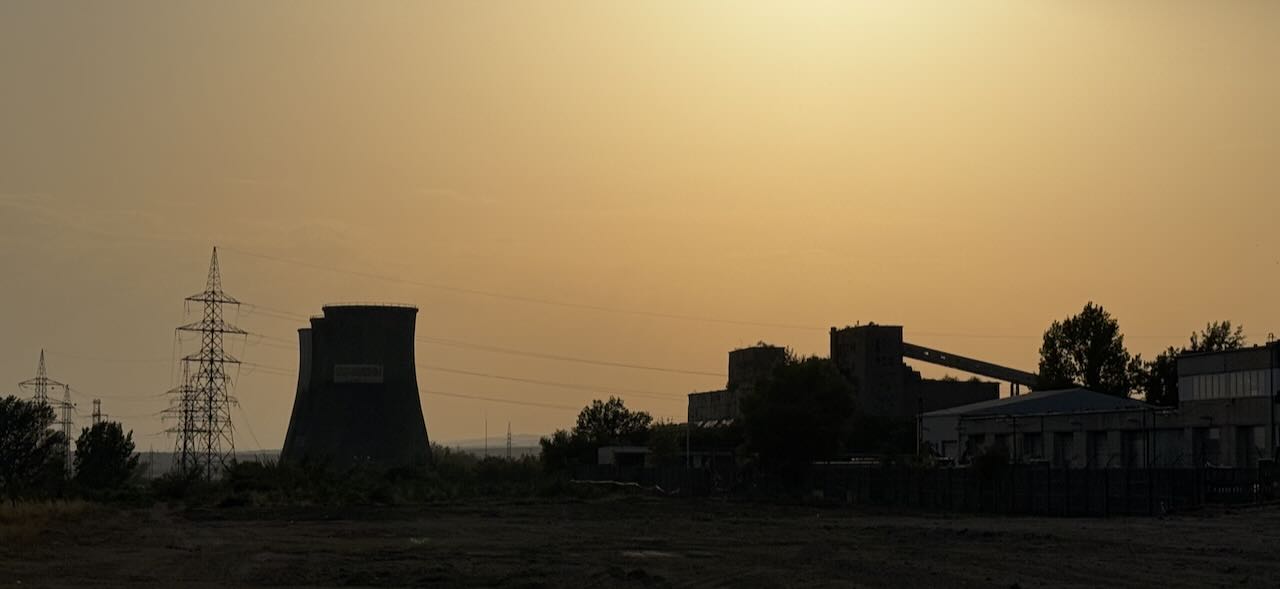
Inota Festival is an annual audiovisual event in rural Hungary, near Várpalota, held at the decommissioned Inota power plant.
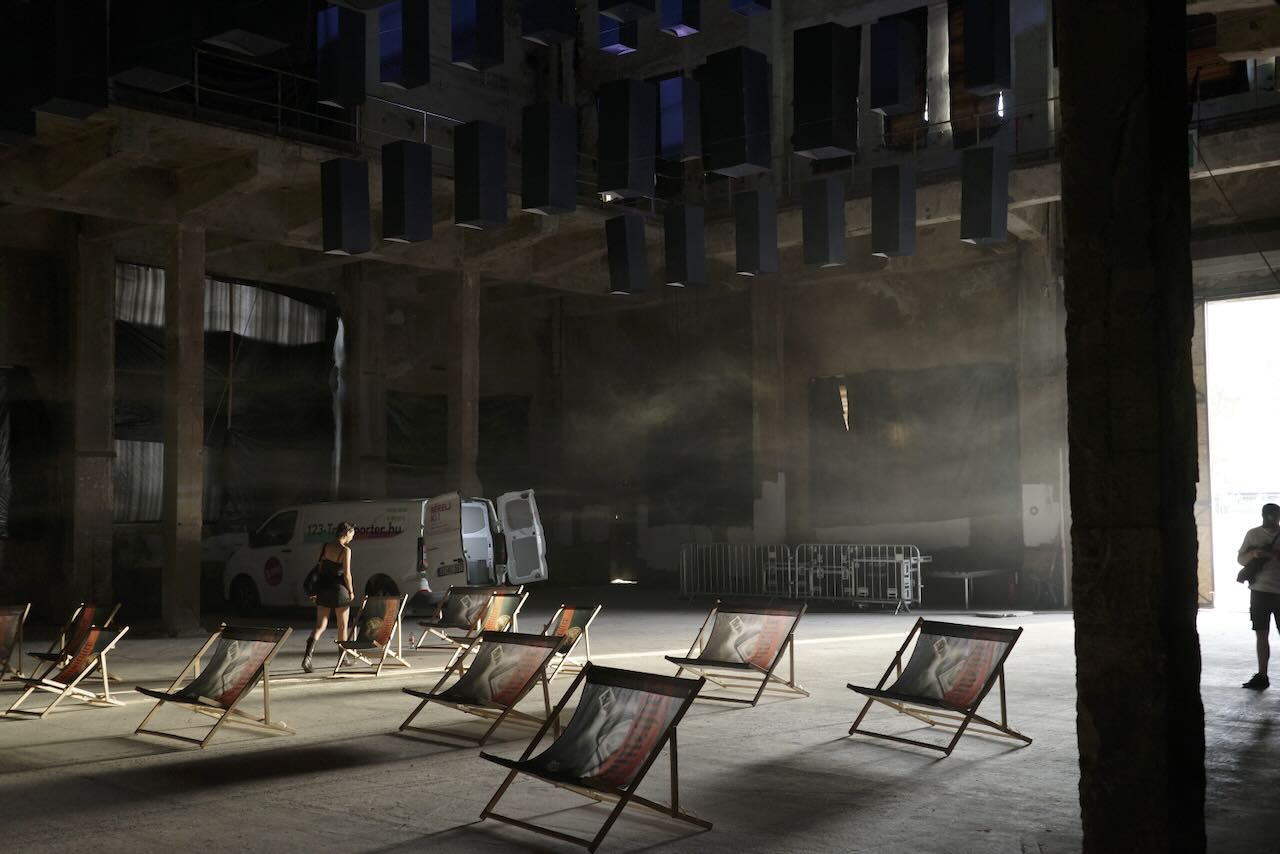
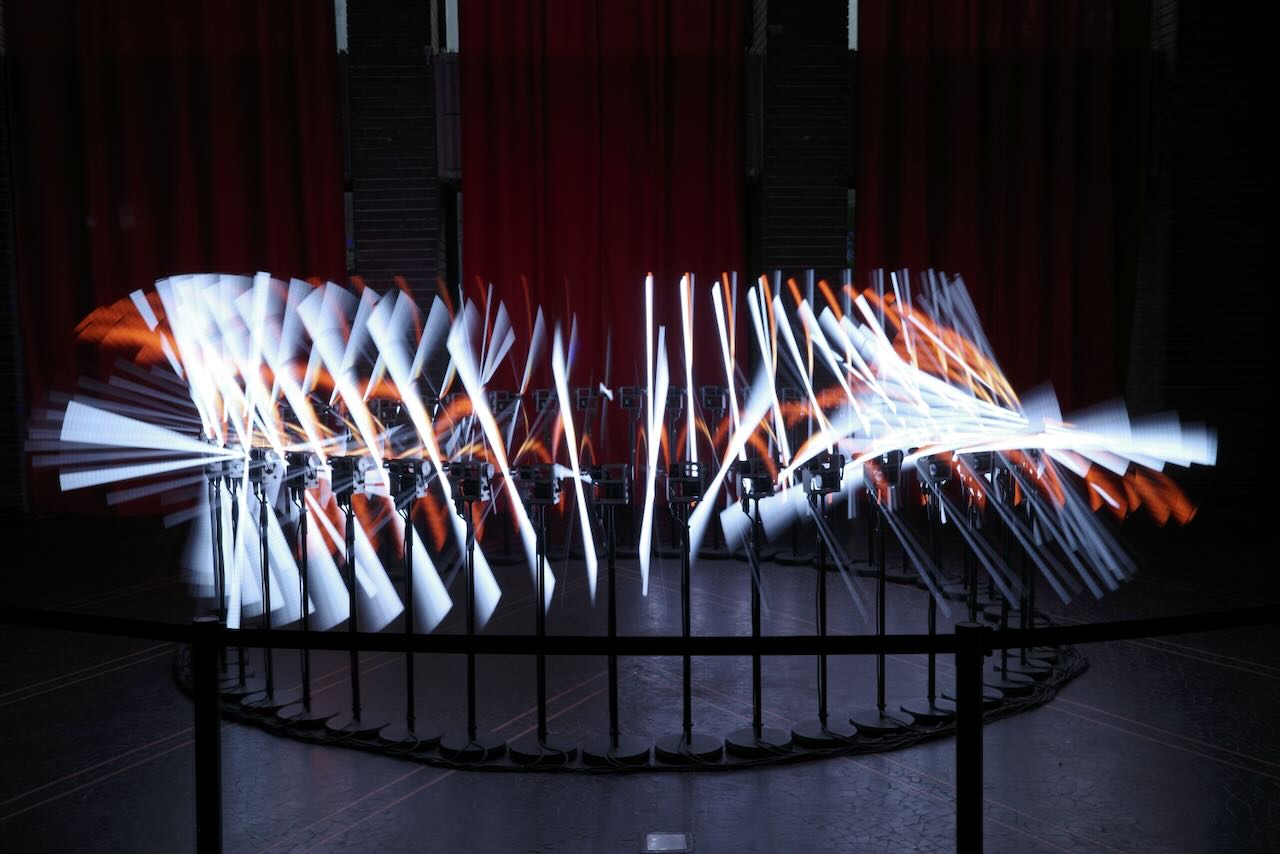
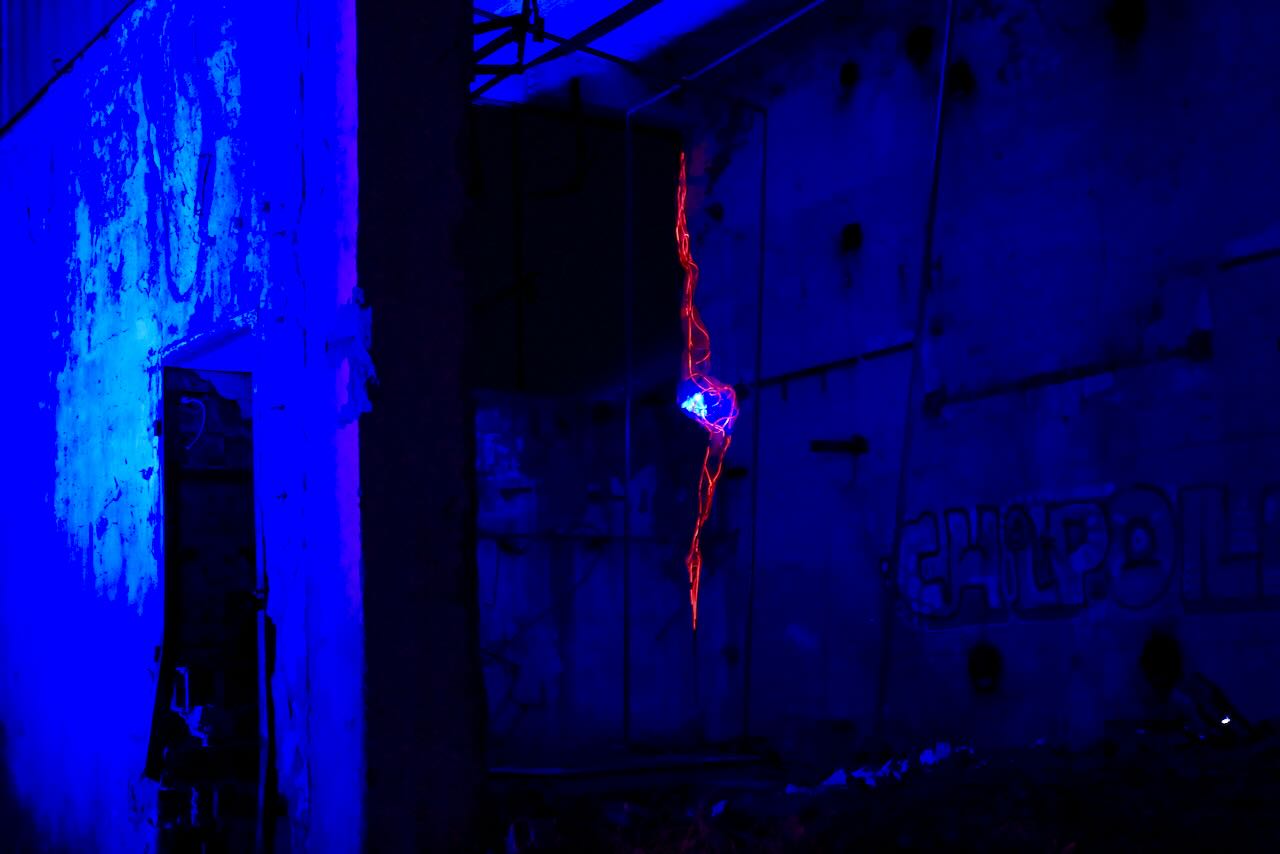
The site itself is striking: half-demolished buildings, huge empty halls surrounded by concrete blocks and pipes, a monumental gutted furnace room, and three gigantic cooling towers. Music echoes between the concrete and metal surfaces, giving a unifying atmosphere to the electronic performances across the three-day event. The visual installations take full advantage of the setting, bringing new life to the abandoned industrial complex.
Arriving during daylight added another layer to the experience, making it easier to notice the architectural details before the colored light installations transformed the scene after dark. This created a natural contrast between day and night at the festival.
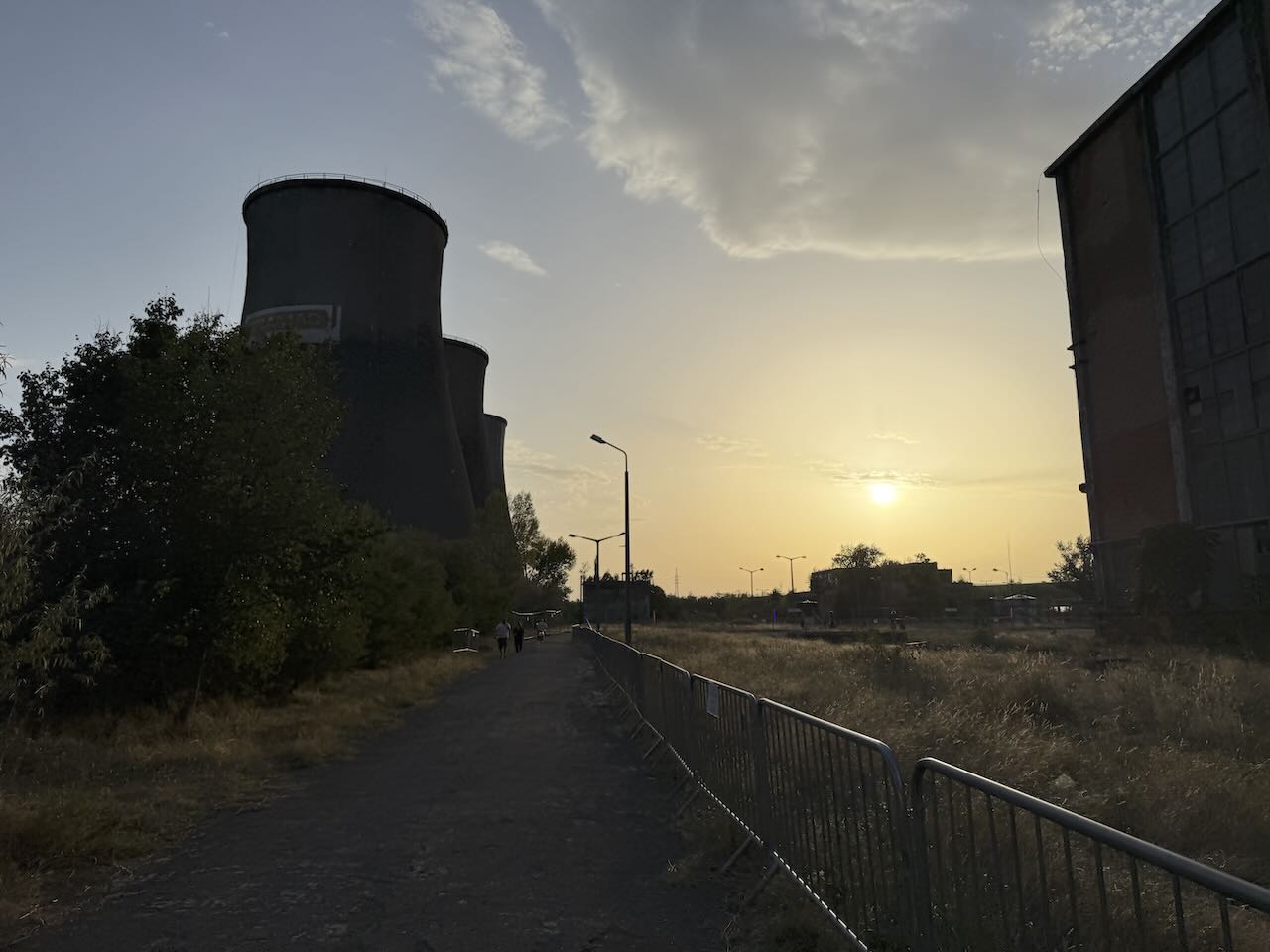
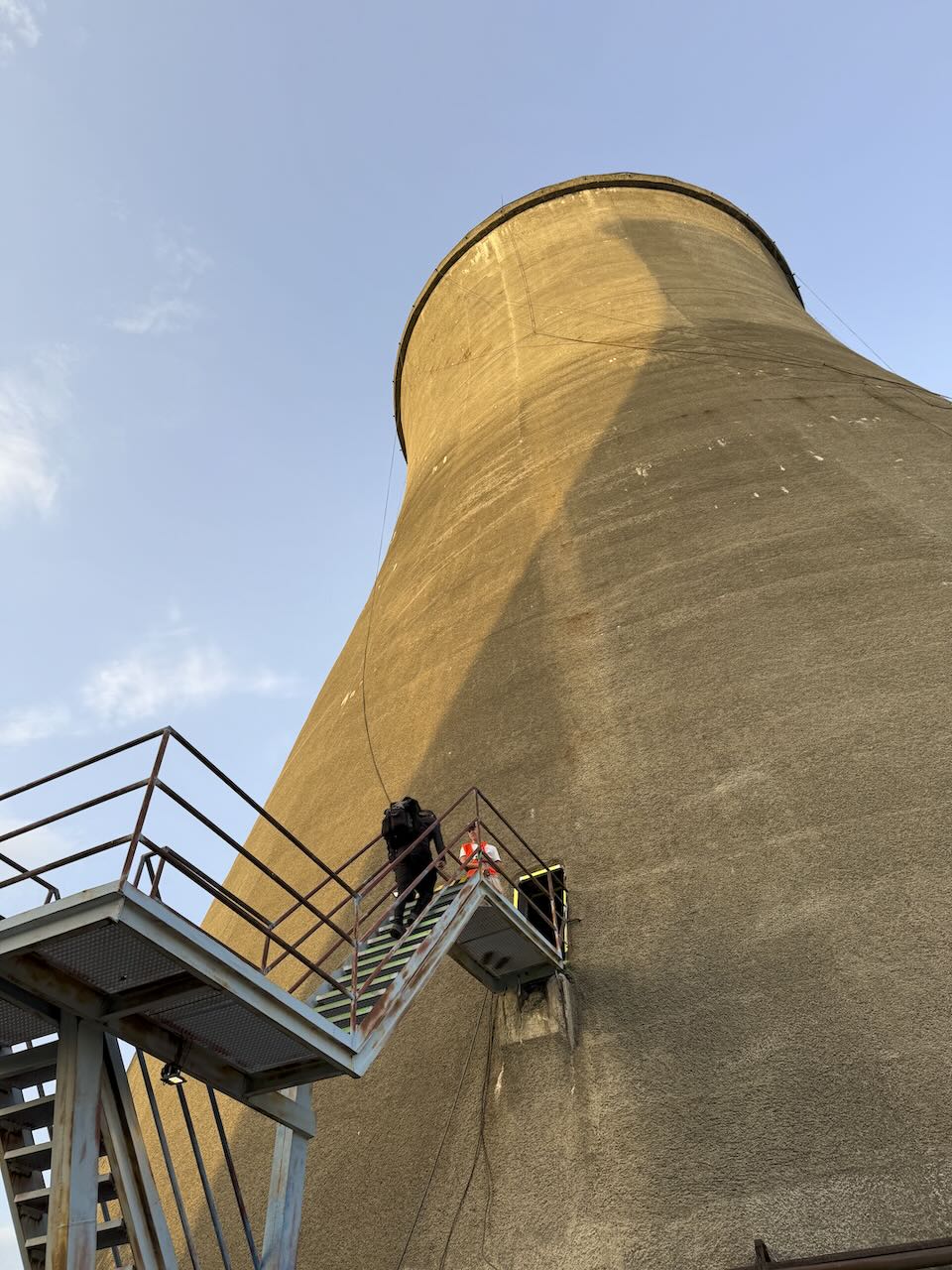
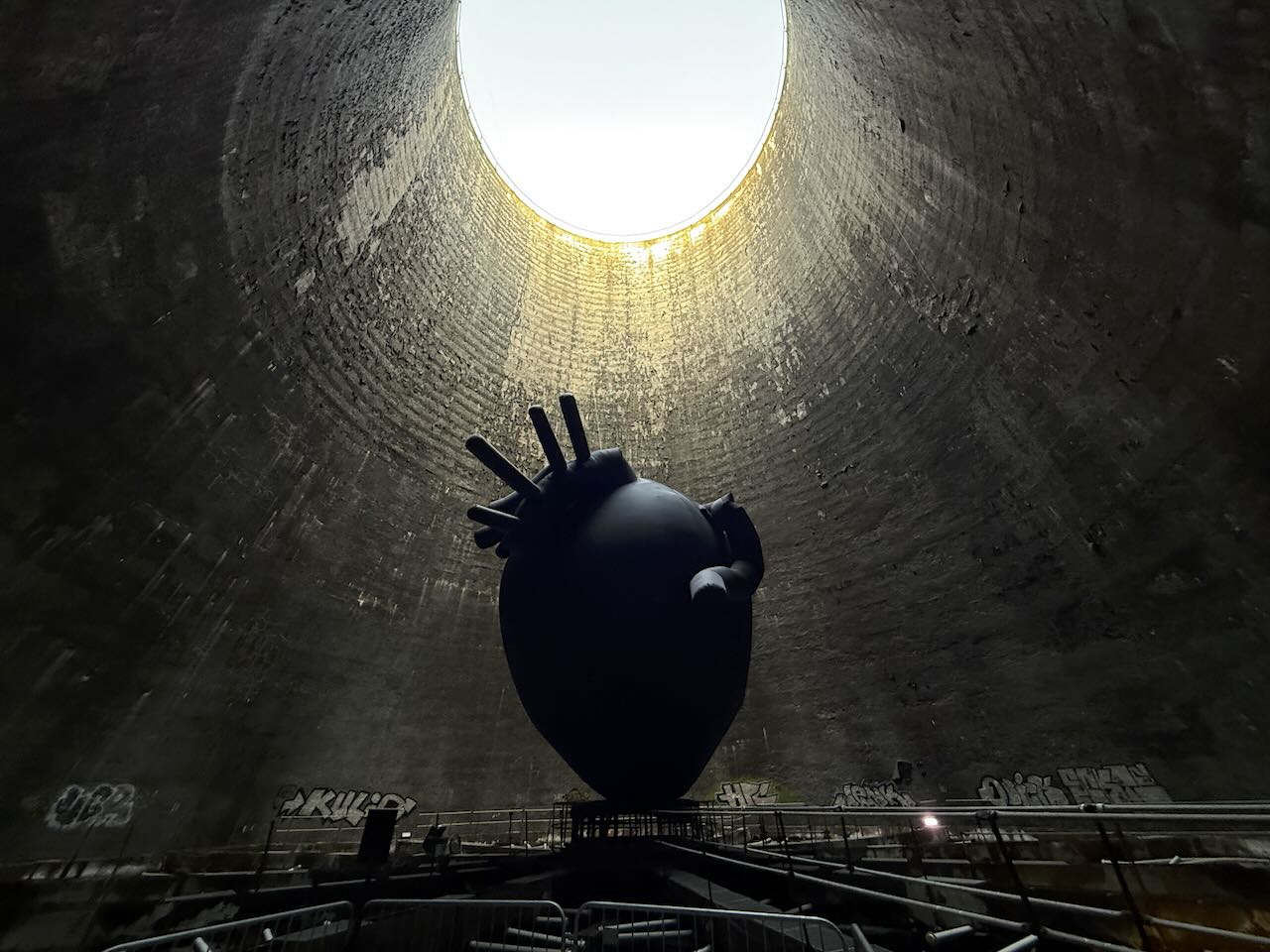
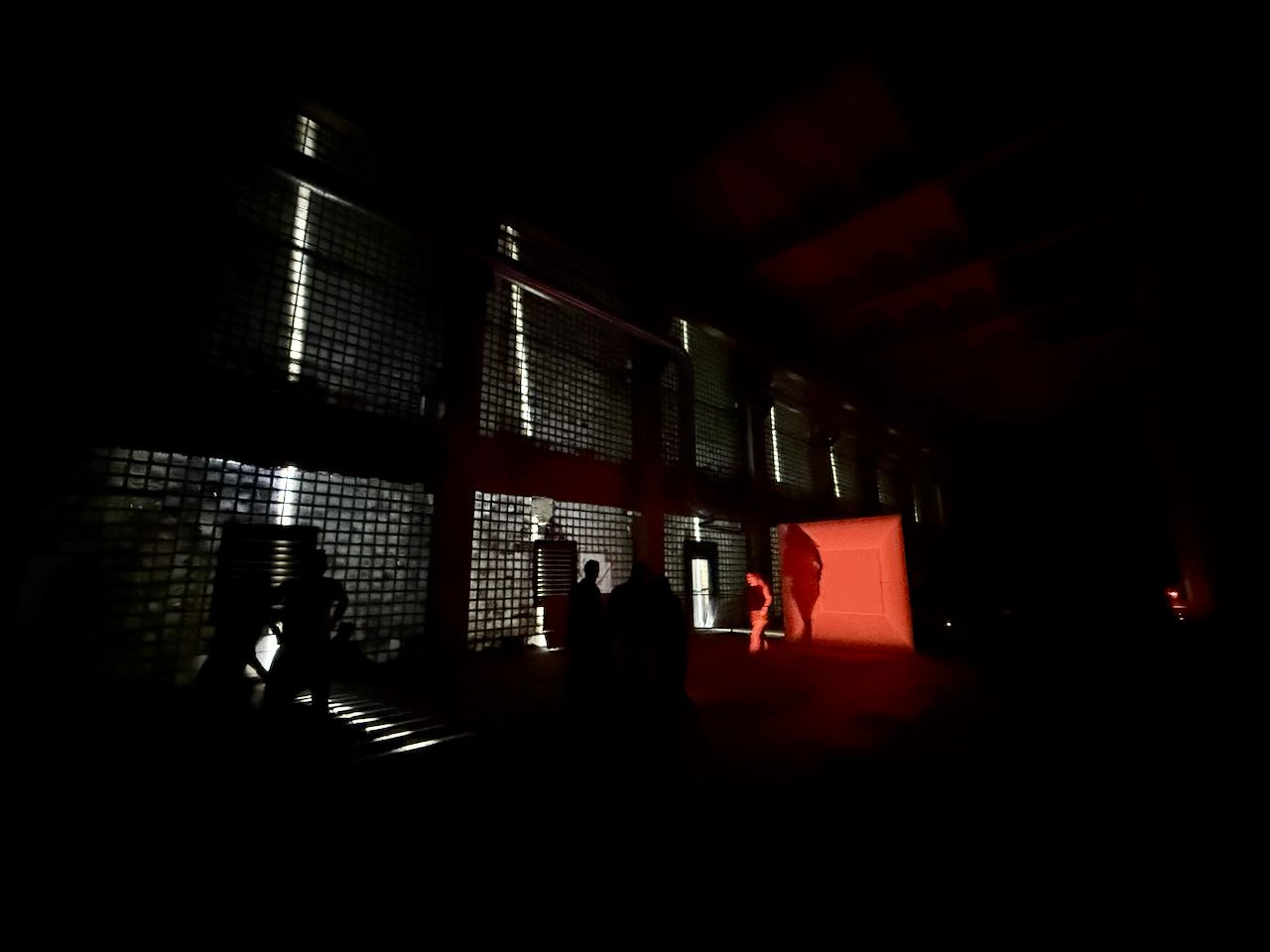
The cooling towers are the unmistakable icons of the power plant. Monumental up close, their sheer size has an almost chilling effect. Inside the first tower, artists Dániel Besnyő and Mátyás Kálmán installed a gigantic inflated heart, accompanied by a deep beating sound that echoed through the chamber. It was one of the most memorable works of this year — a surreal sight revealed only after stepping through the small doorway at the tower’s side.
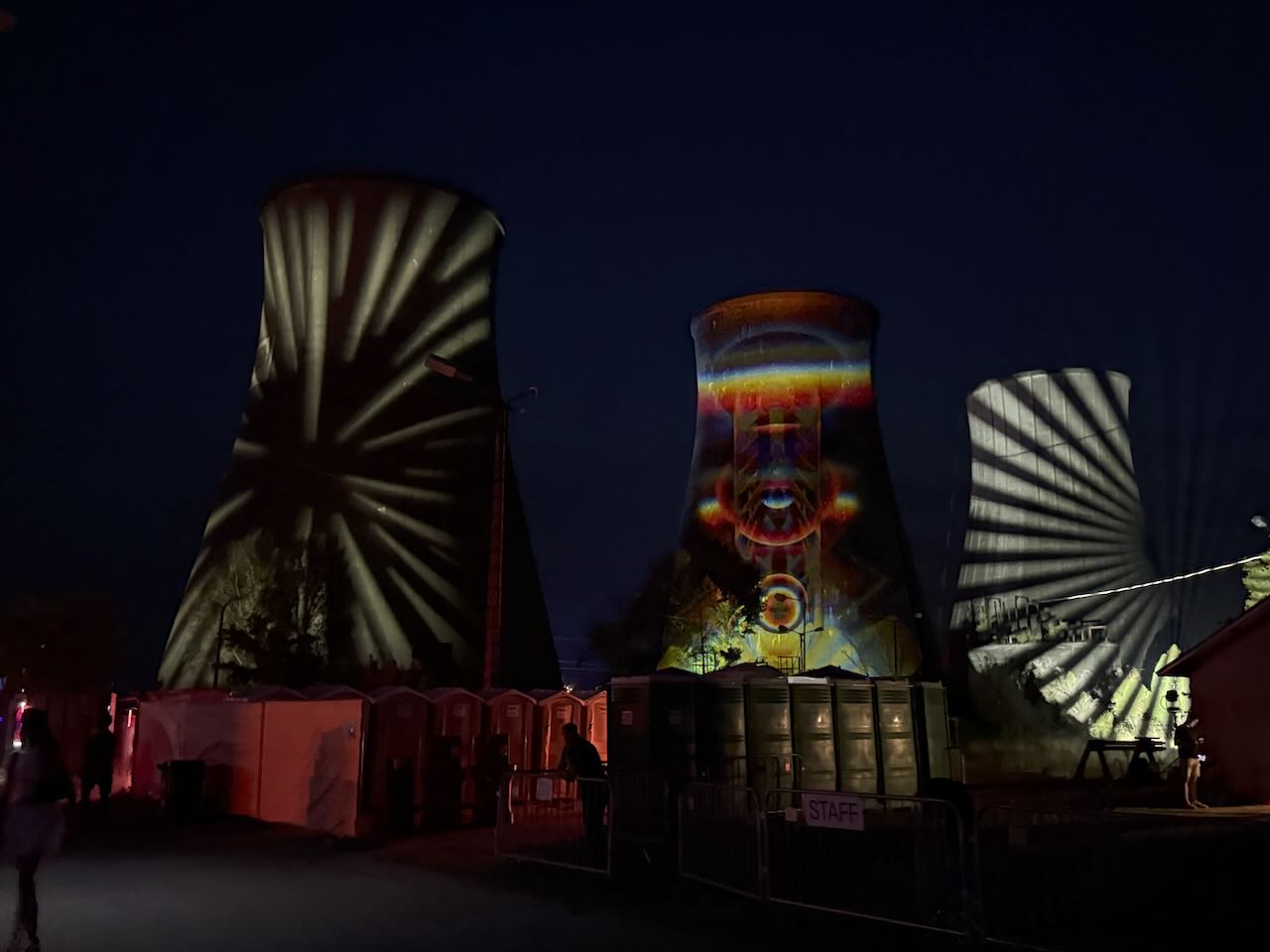
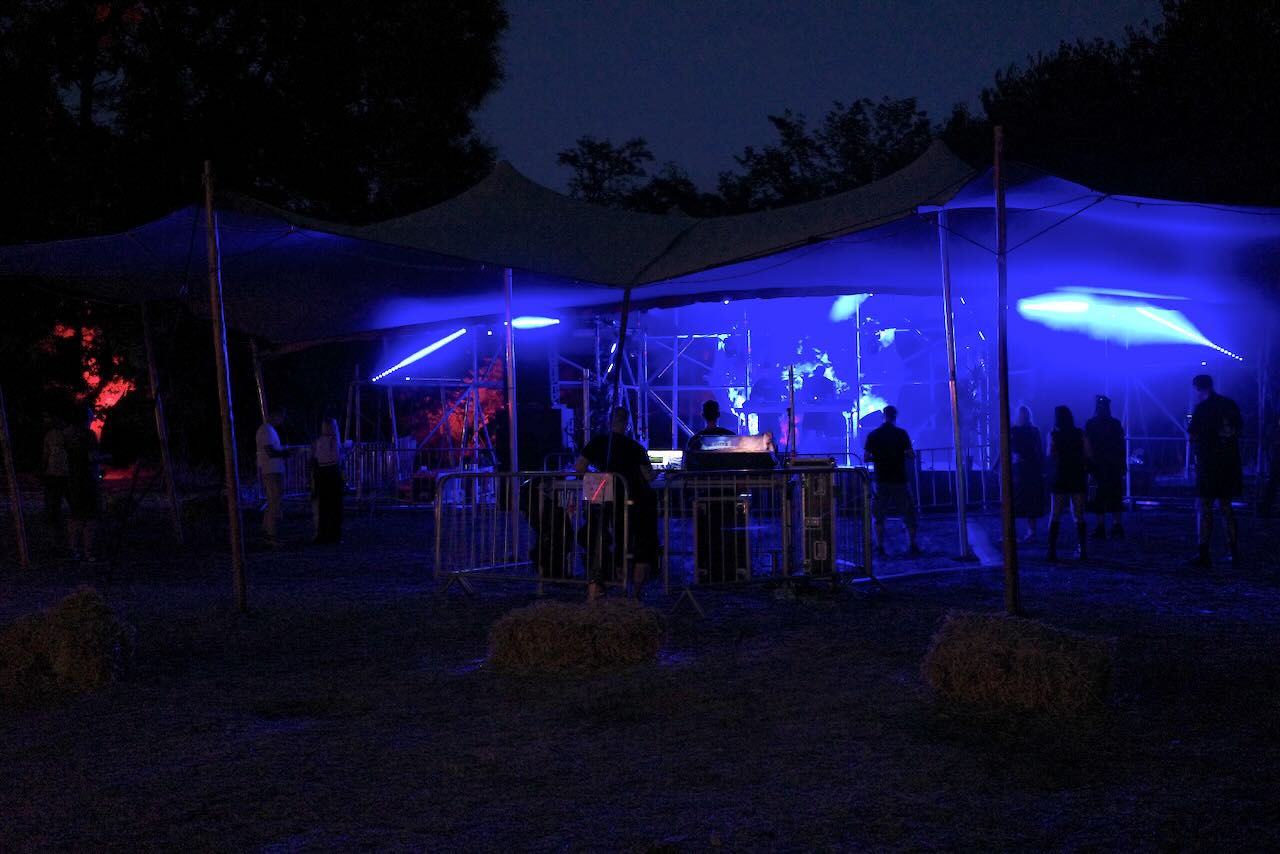
After sunset, the towers themselves were covered with projected images and animations, turning them into dynamic backdrops for the outdoor stage.
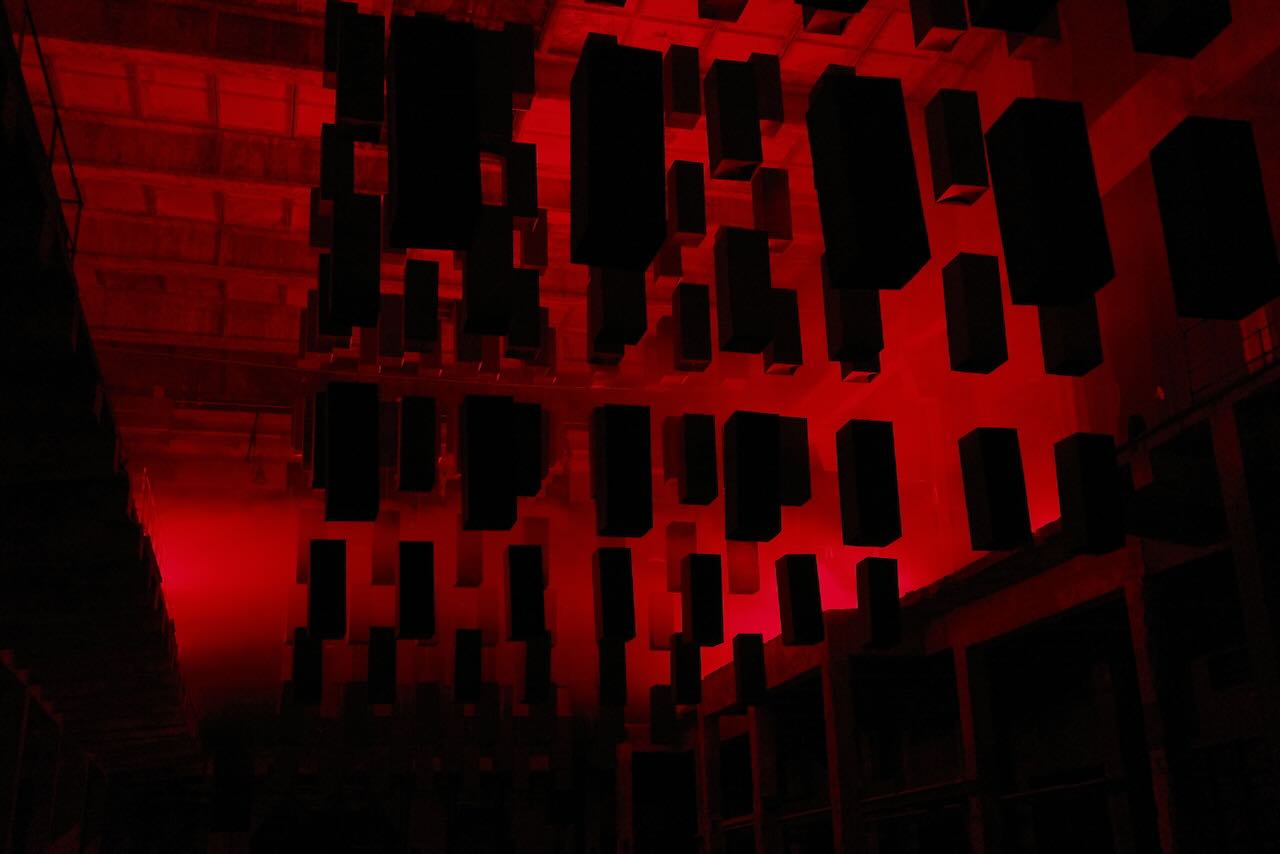
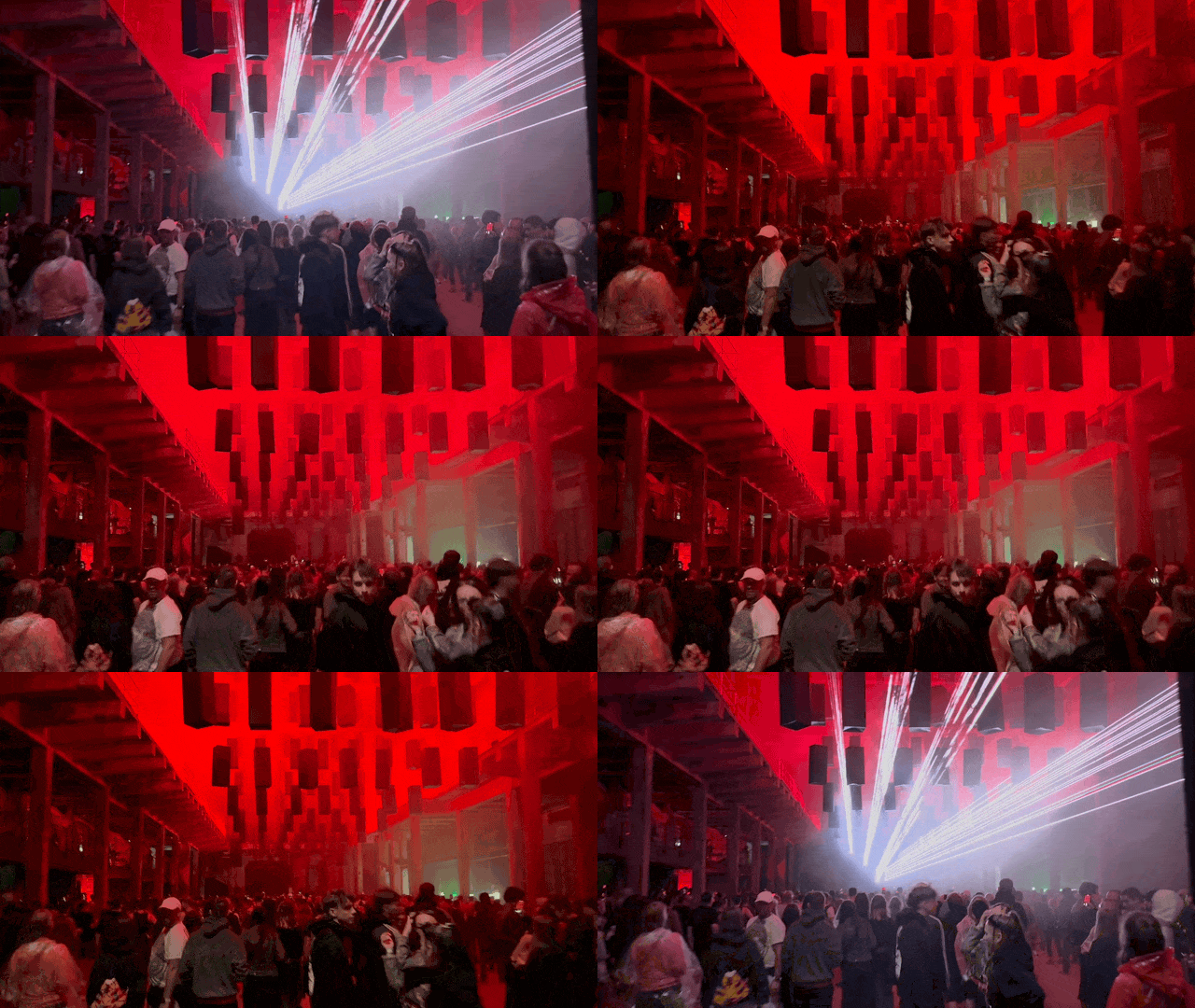
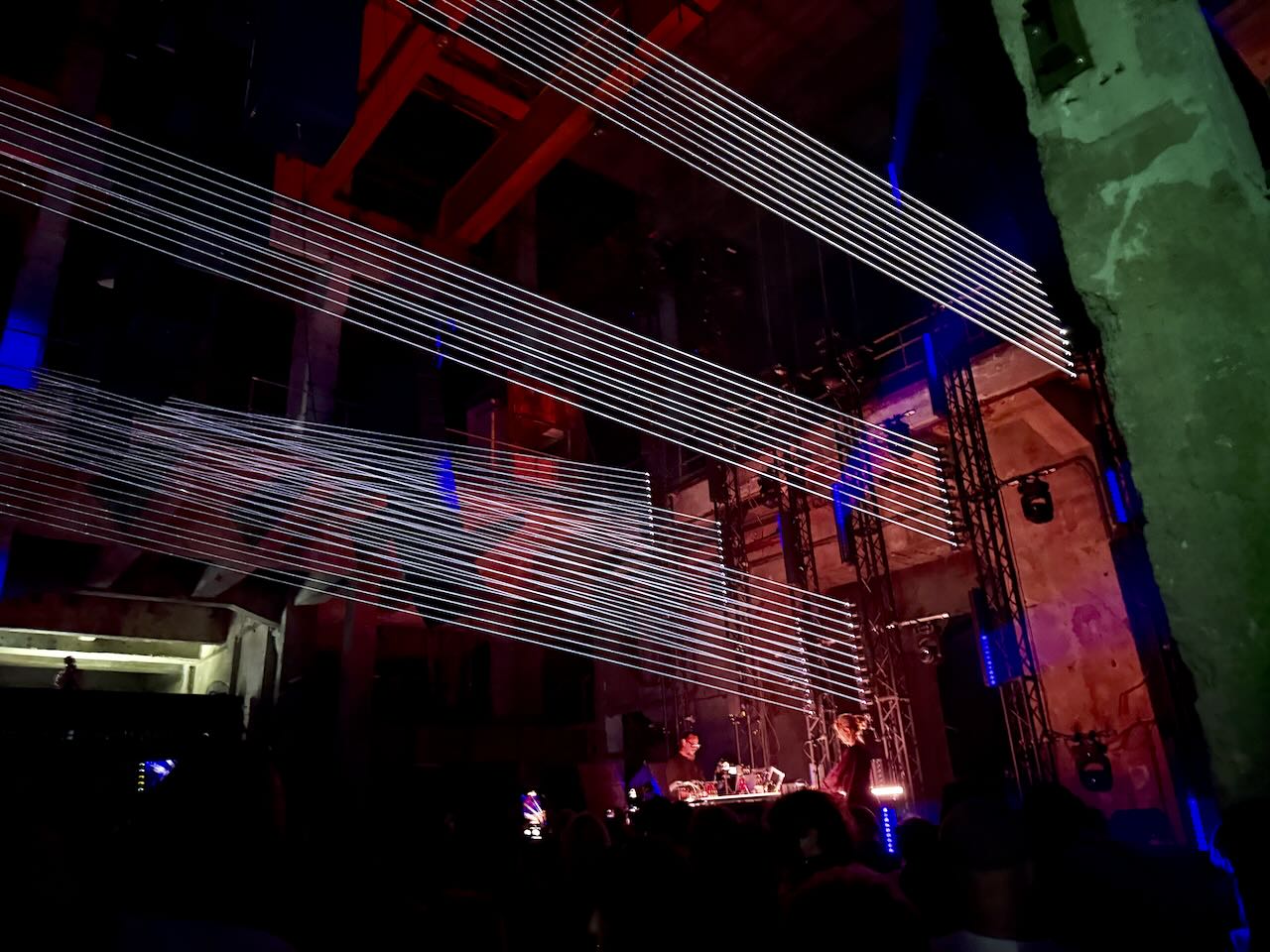
Inside the Turbine Hall, the ceiling was filled with an installation by SpY: a grid of black blocks animated with shifting lights. During concerts, lasers and light beams swept across the blocks, enhancing the sense of depth and interacting with the concrete pillars around them.
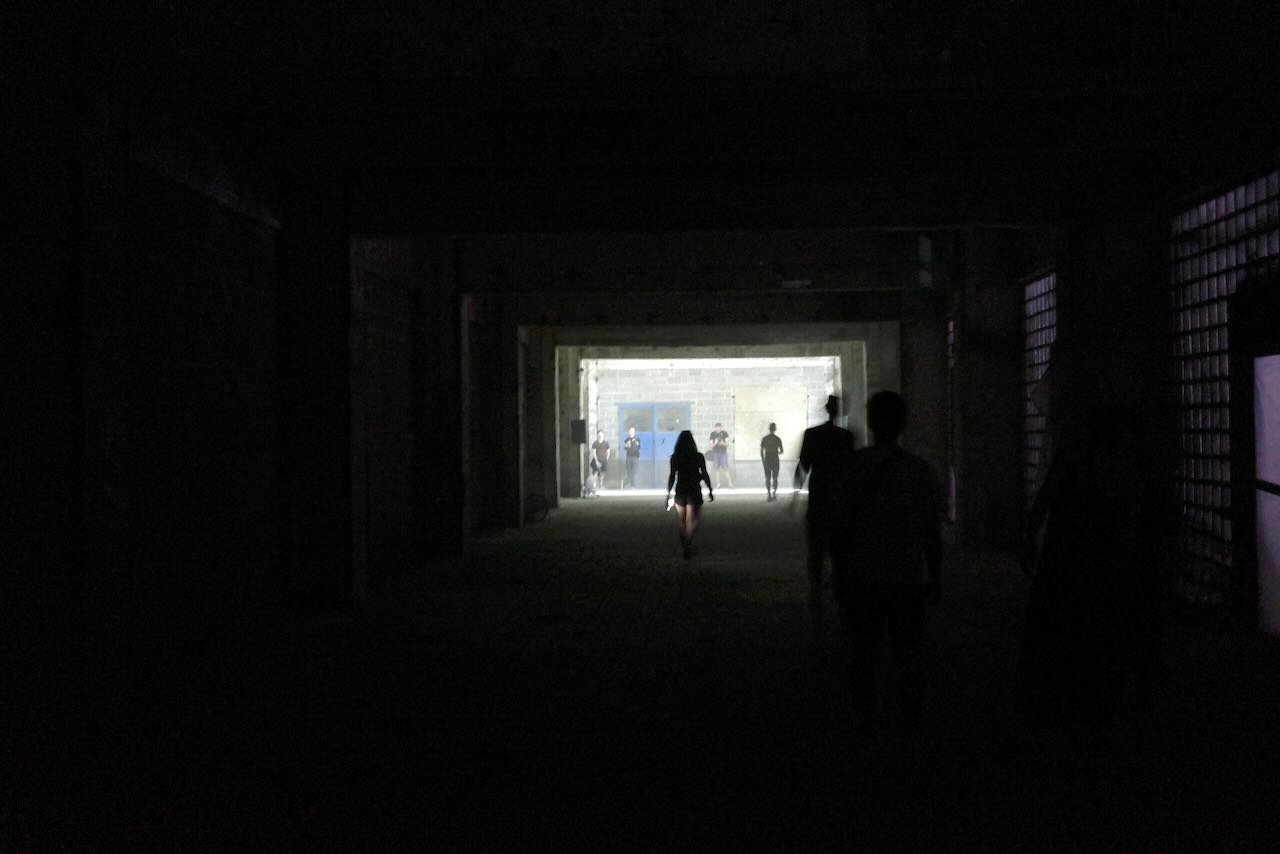
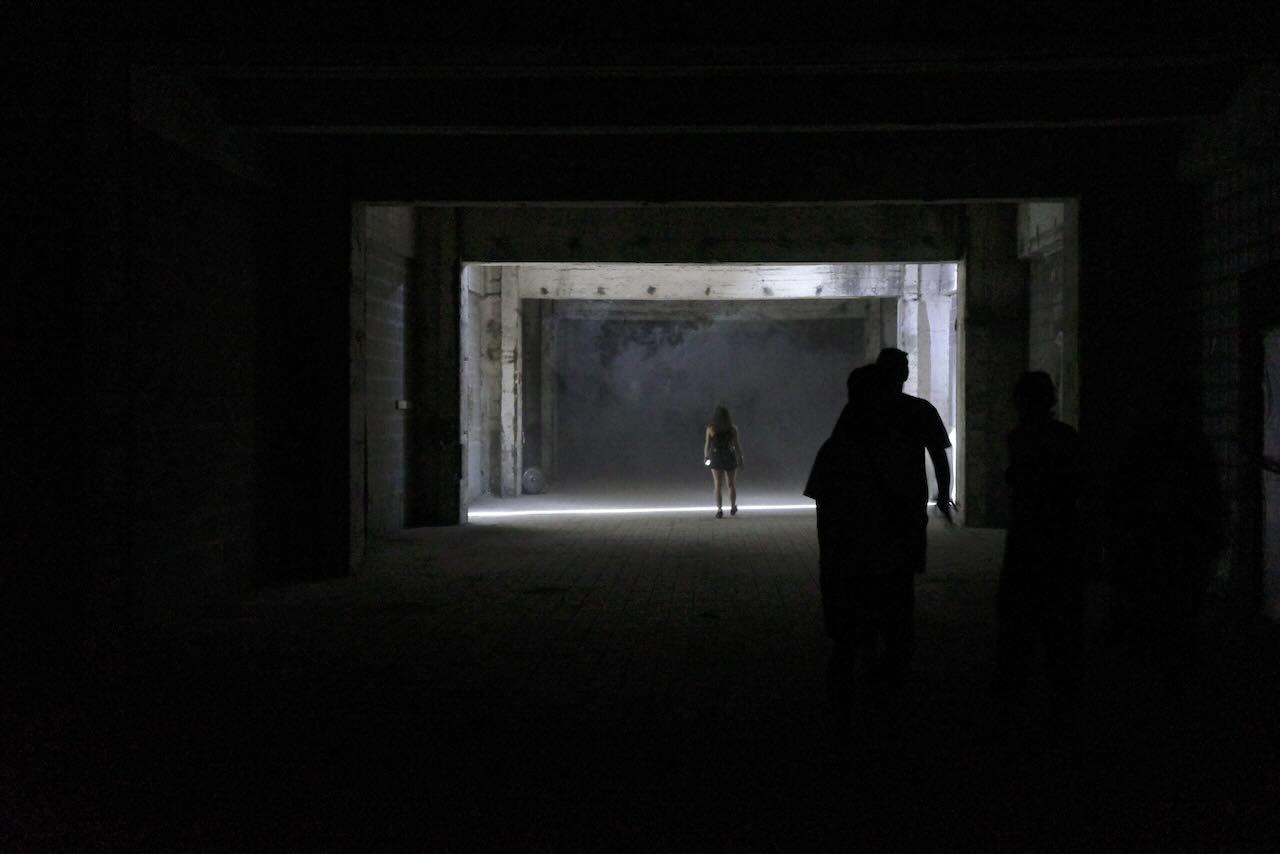
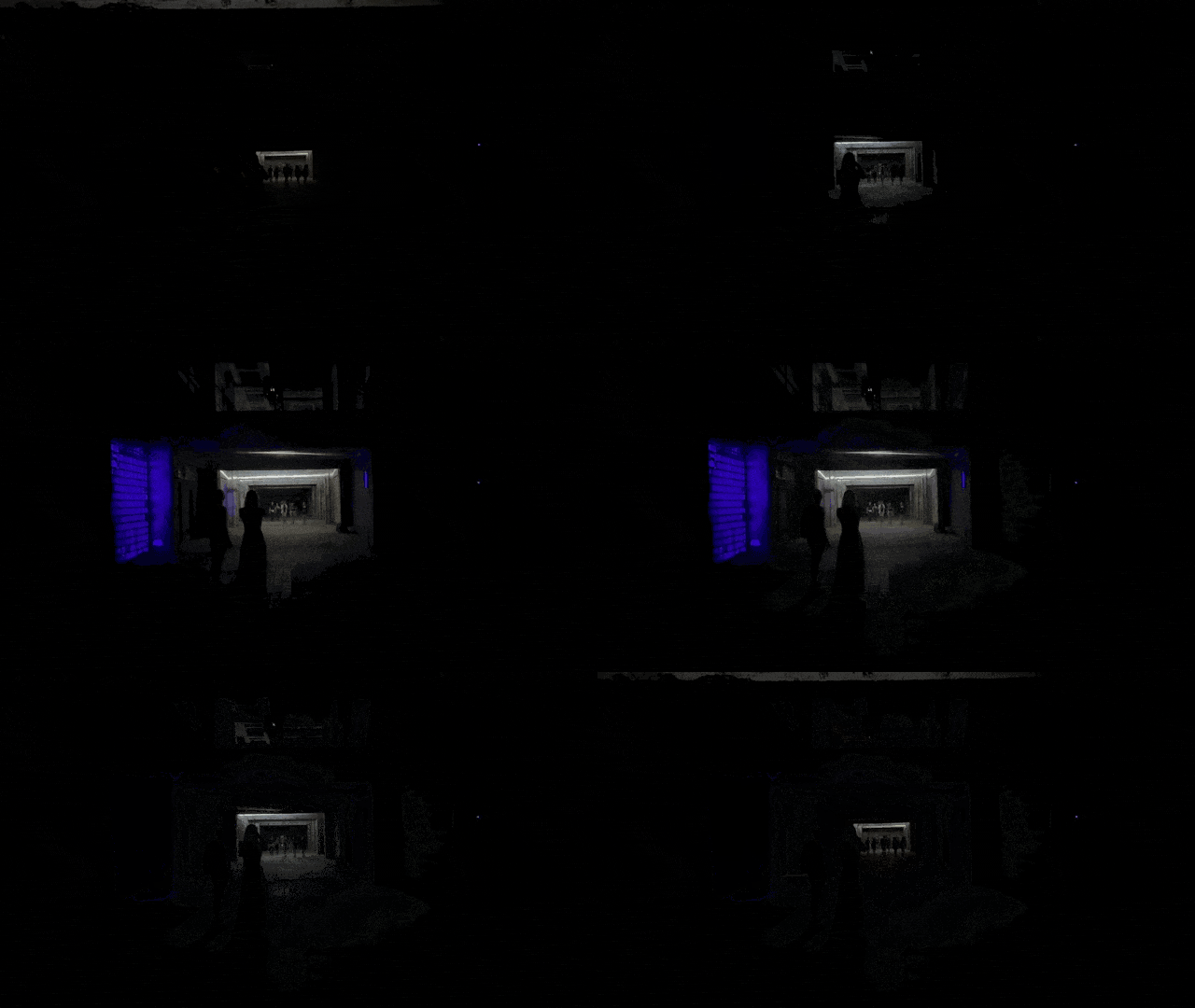
On the upper levels of the Turbine Hall, other installations were on display, separate from the main concert space. The heavy sounds from below resonated throughout the building, producing a unique acoustic effect shaped by the structure of the plant. One hallway was transformed into an unsettling experience by Robin Beekman and Reinald Van Praet, creating an eerie, suspenseful mood before the evening concerts began. Sharp beams of light divided the corridor into sections — some fully illuminated, others completely dark. The result was a powerful demonstration of how space and light can create atmosphere with minimal means.
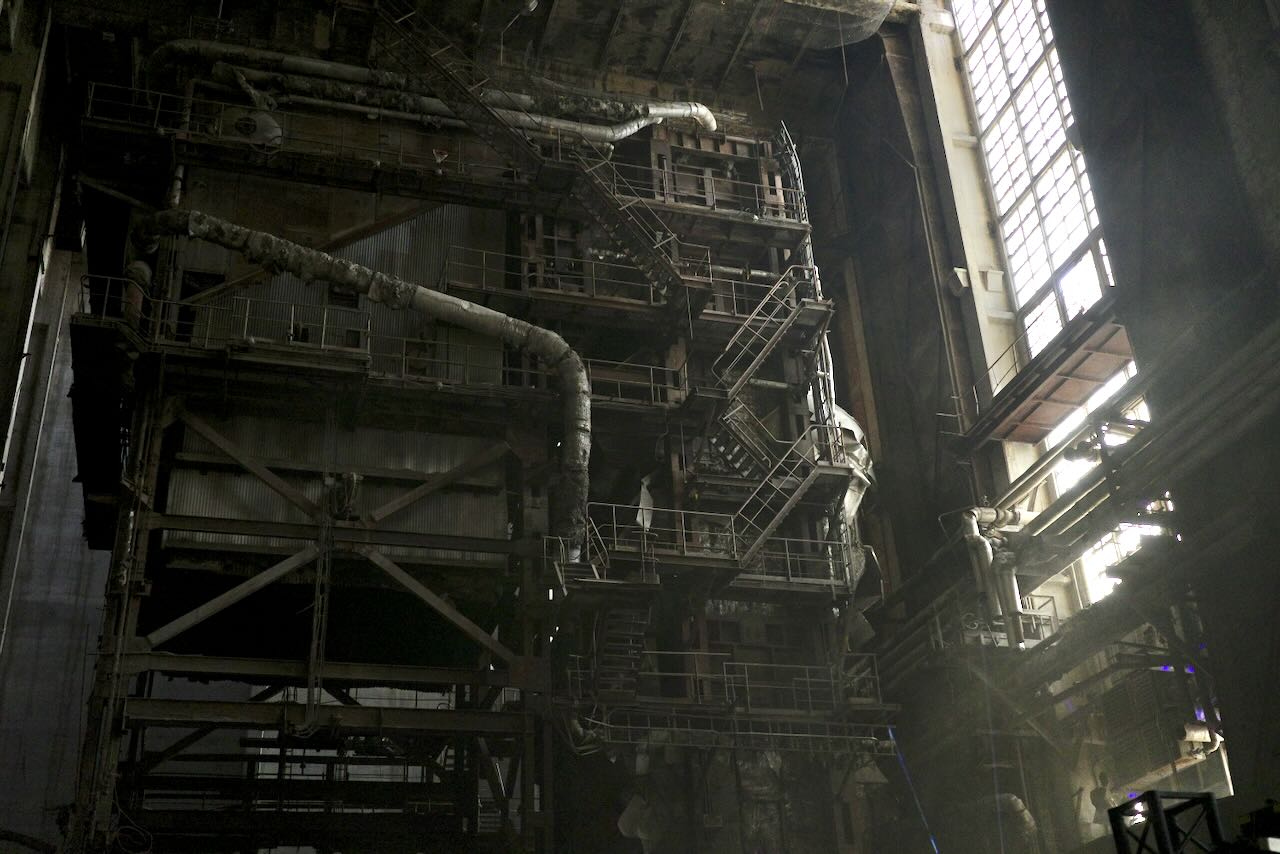
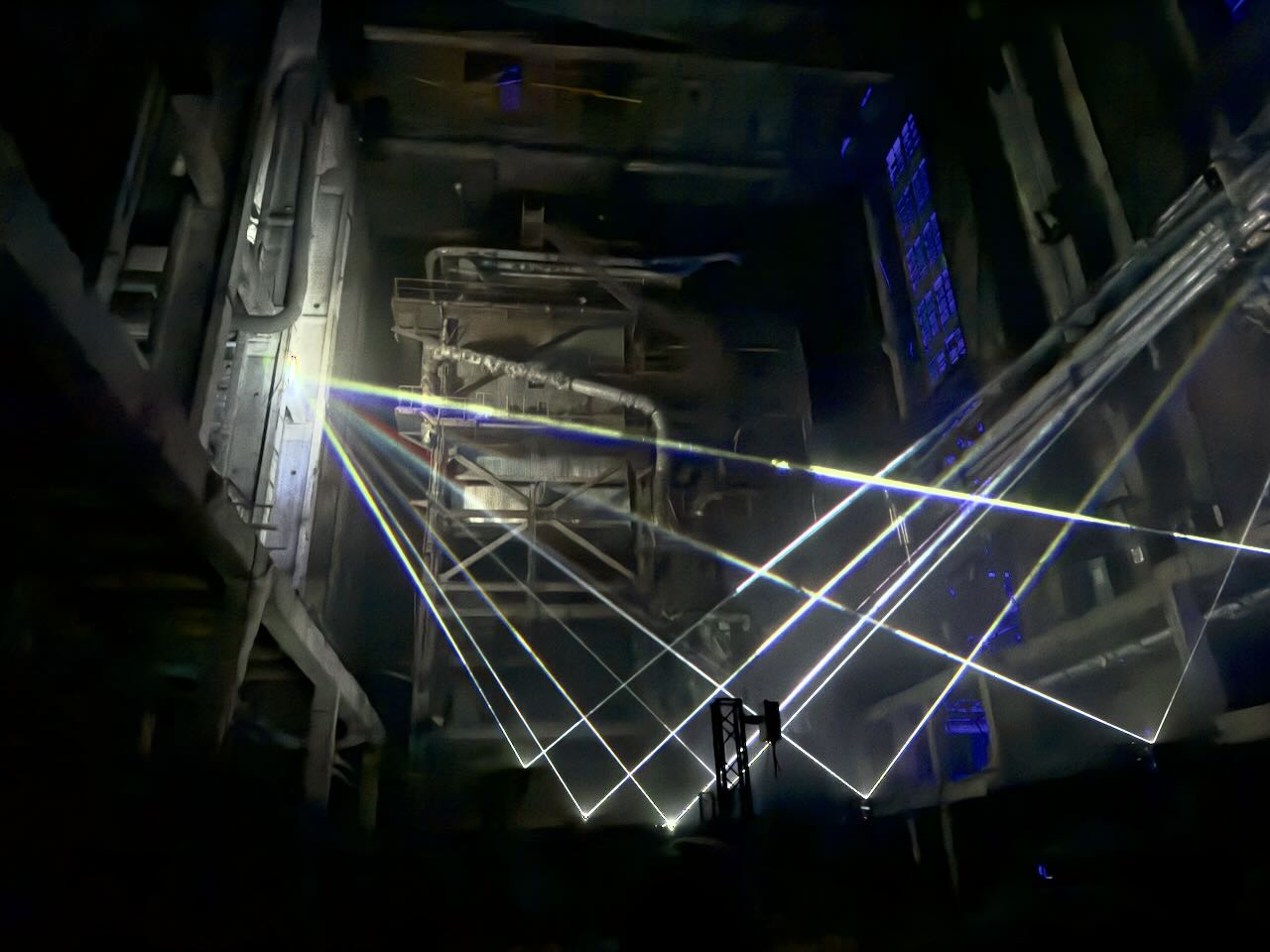
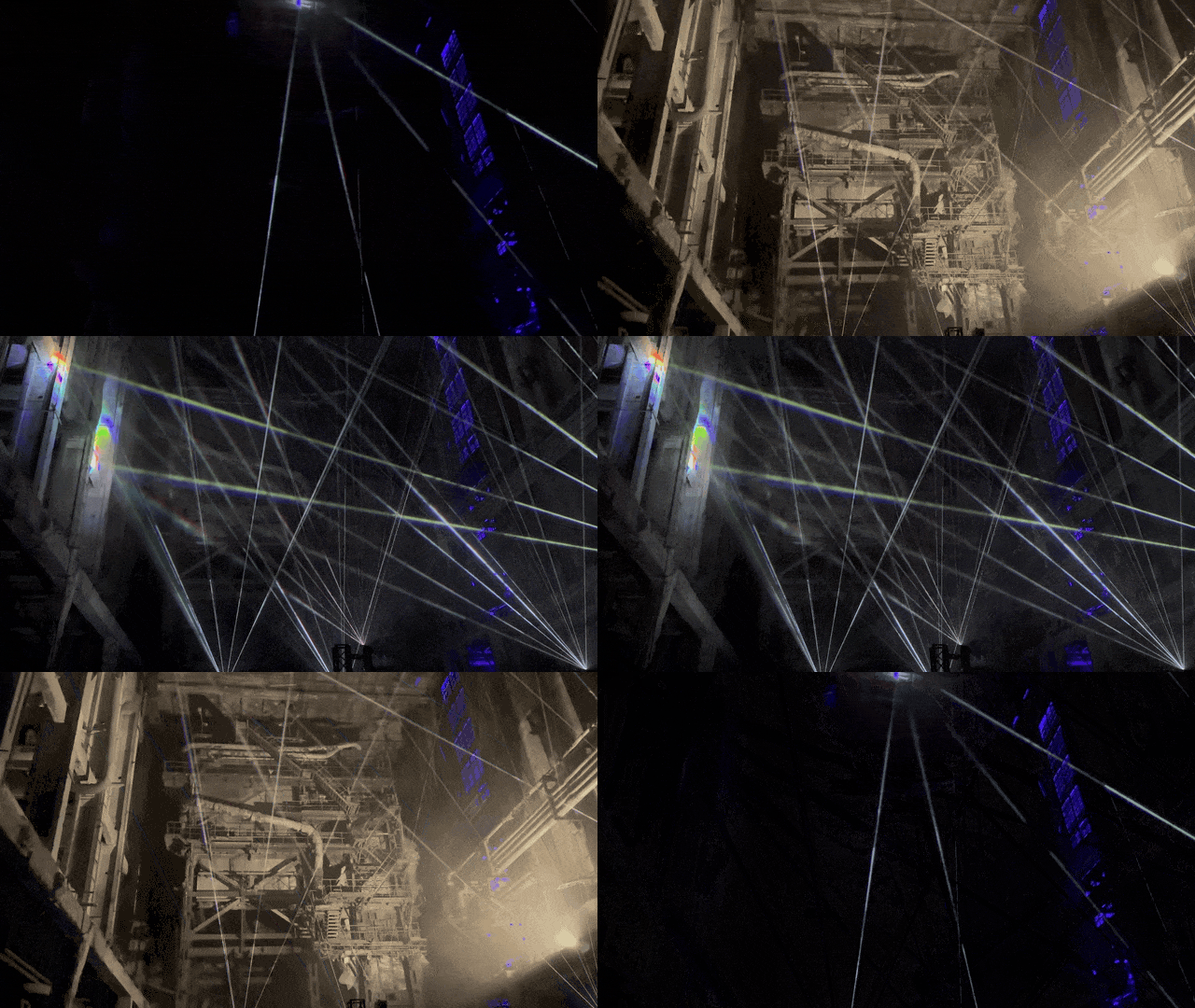
A separate wing of the main building contained the Heating Room, with its monumental five-story furnace, slowly decaying over the years. The space alone feels like a vision from a dystopian world. Sasha Kojjio’s minimalist light installation amplified this impression: prismatic colors spread across the metal structure in fragments, guiding the eye across the details. Sudden bright flashes revealed the massive staircase in the background, a powerful visual finale.
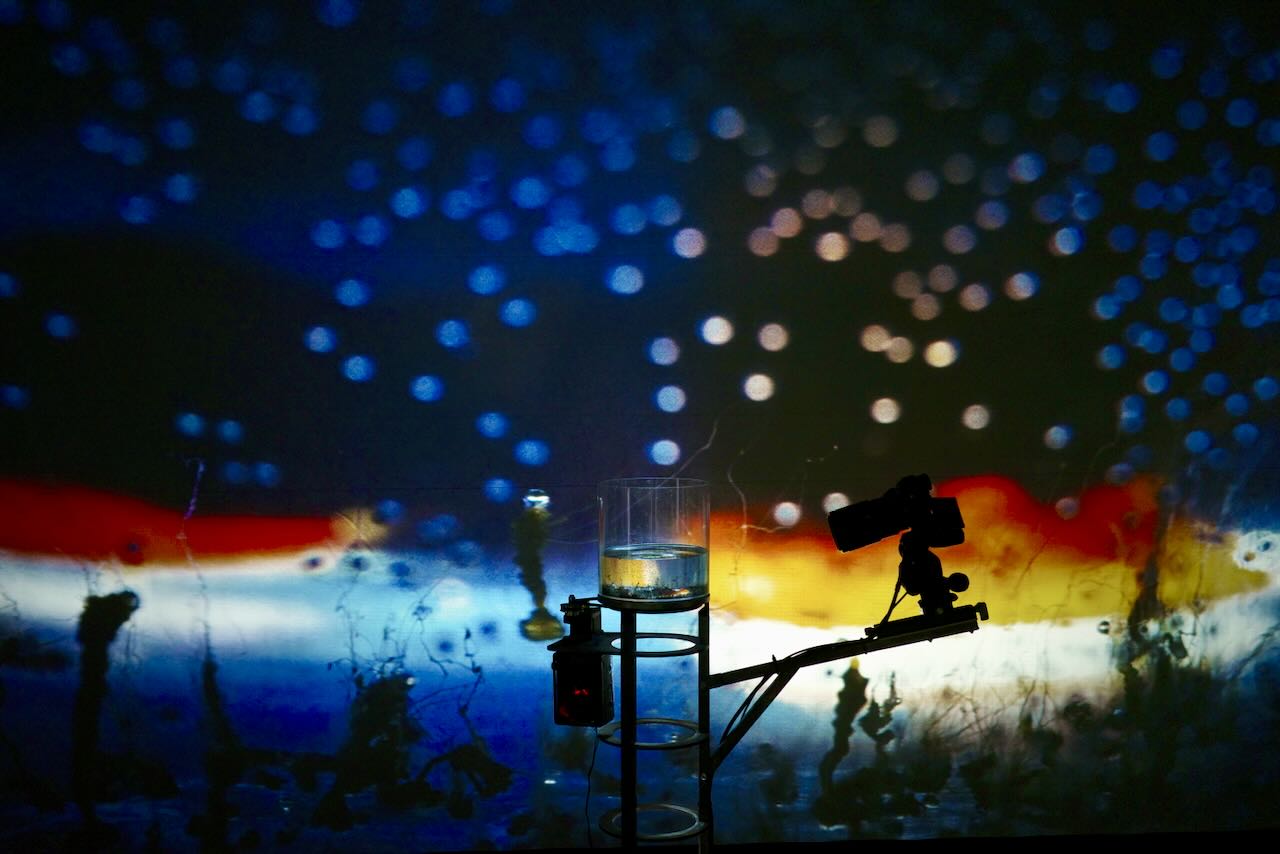
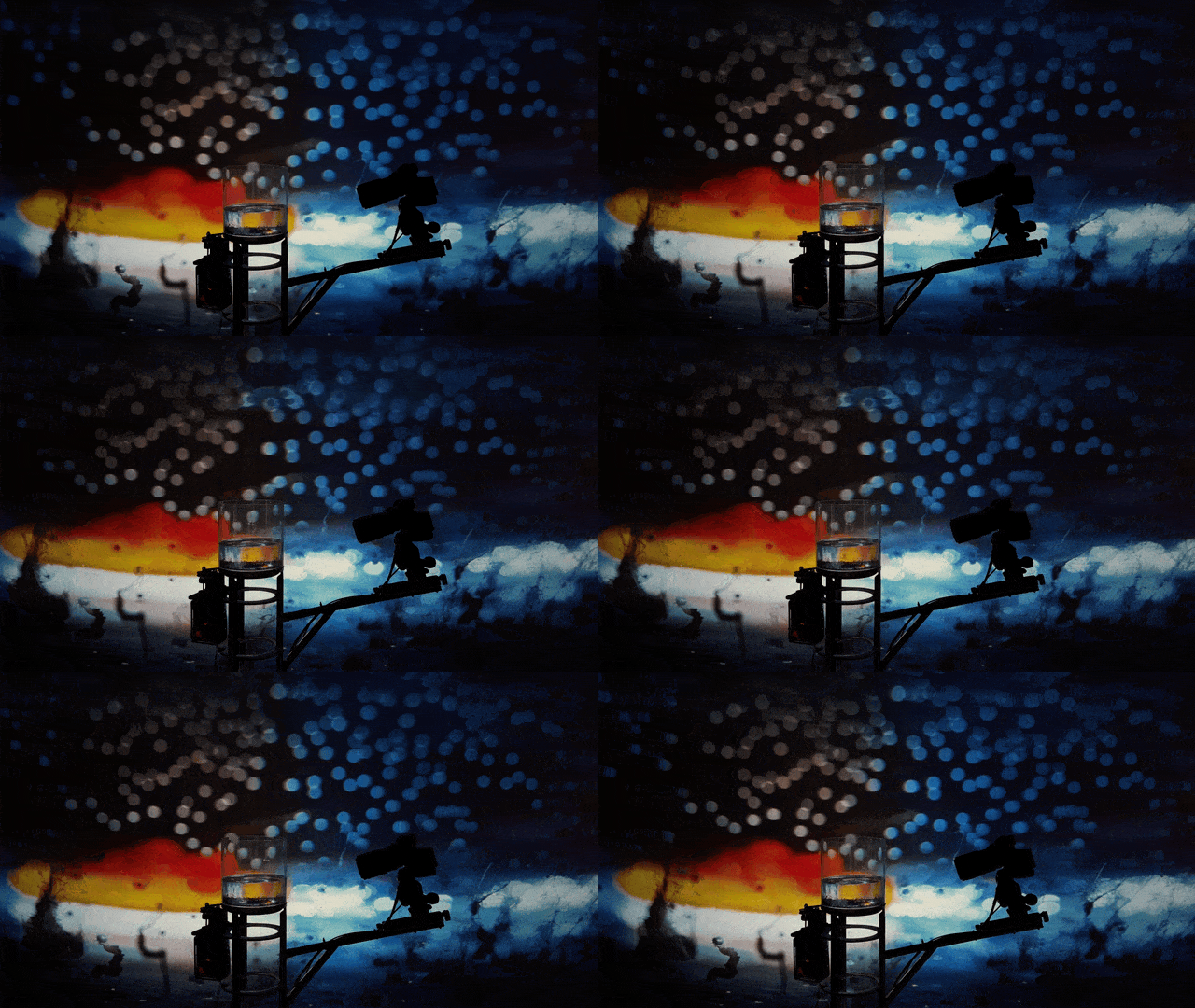
Two side buildings of the complex hosted smaller installations. A standout was an analogue piece by Vincent Rang, created with liquid mixtures magnified through live macro recording. The flowing organic shapes became an abstract, otherworldly spectacle, showing how natural patterns can transcend their medium and spark a sense of mystery.
The range of artworks at the festival was remarkable, especially alongside a full musical lineup spread over multiple stages. The organizers curated an impressive mix of audio and visual projects, using the site’s industrial character to its fullest potential. Inota 2025 was both immersive and thought-provoking, and it will be fascinating to see how the festival evolves in 2026.
More details on the artworks at https://inotafestival.hu